Armenia
26 MAR to 2 APR 2027
Seven nights among the Armenian Easter, bread baked underground, and stone that has been carved for a thousand seven hundred years.
- 26 MAR to 2 APR 2027
- 8 days
- Up to 10
What is included and what is not
Included
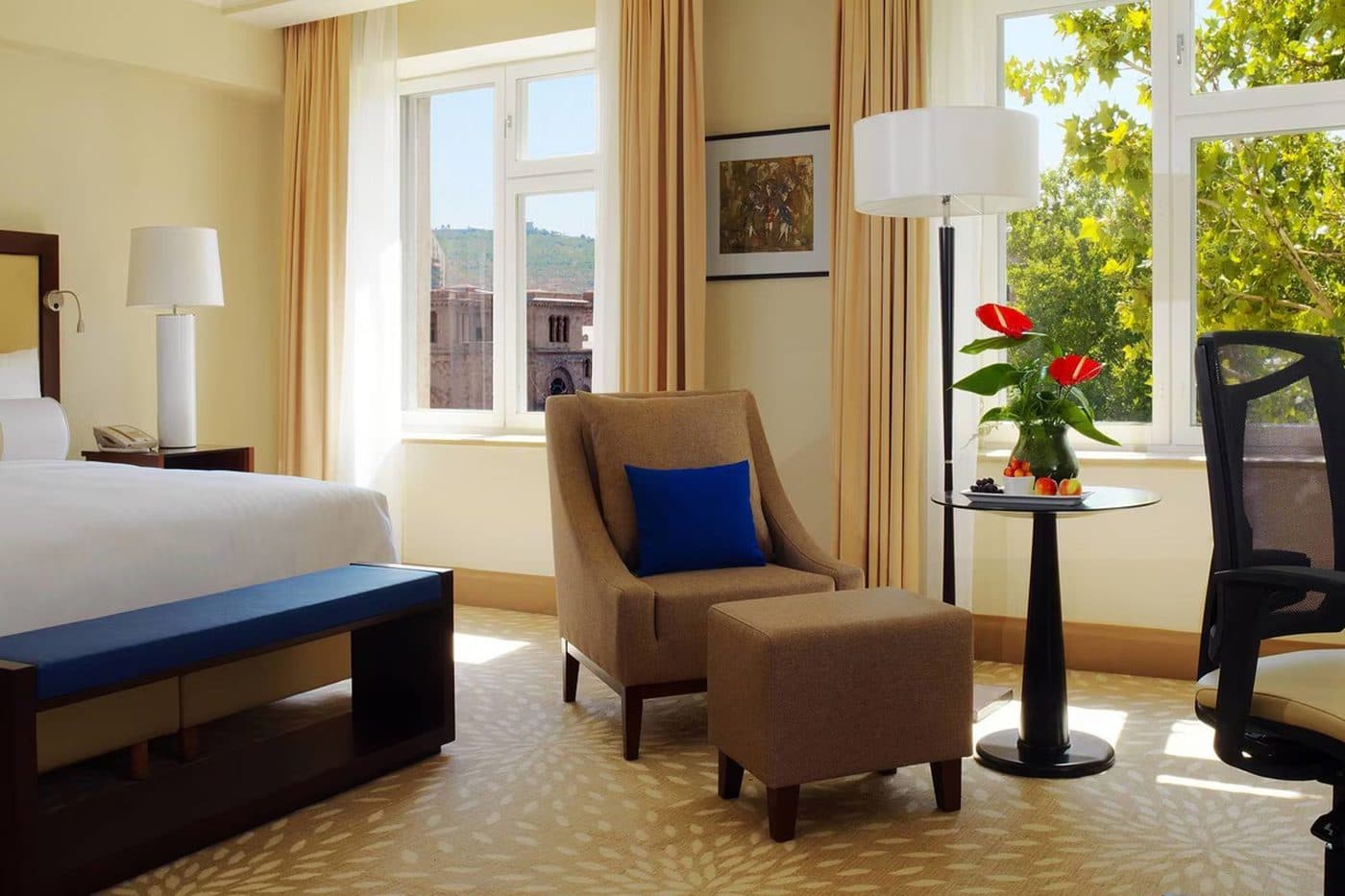
- Seven nights' lodging
- Private transport with a driver all week
- All entrance fees to sites and museums
- The Wings of Tatev cable car
- The two lavash sessions with the families
- The Easter meal with an Armenian family
- A winery tasting in Areni
- Daily breakfasts and the meals listed
- A local guide in Armenian, Spanish and English
- Photographic guidance and review of your work
Not included
- International flights to Yerevan
- Travel insurance, which is required
- Lunches and dinners not listed
- Tips and personal expenses
- Photographic gear
Why this trip and not another
- 01
Armenian Easter falls on Sunday 28 March 2027, so the whole week is a celebration: the vigil at night, the badarak in the morning and a family's table in the afternoon.
- 02
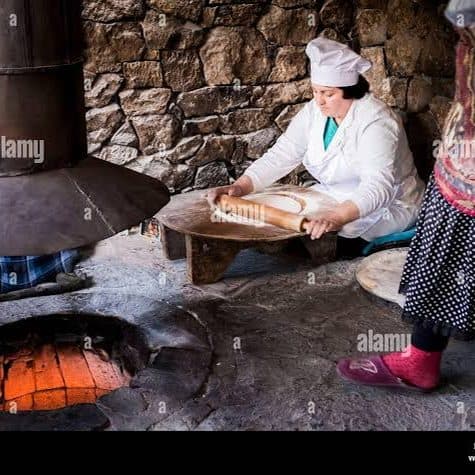
Two days of lavash in a row, and they are two different stories: in Bjni it is domestic and quick; in Rind, a group of village women bake and sing while they work.
- 03
We are never more than ten, and that is what lets a home really receive us.
What you will see
The Easter vigil at Etchmiadzin
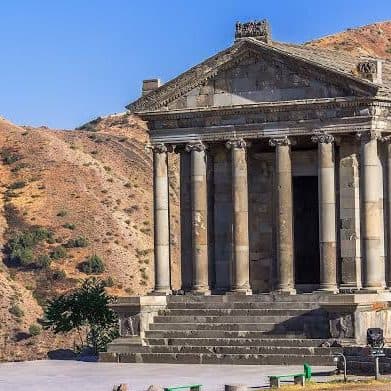
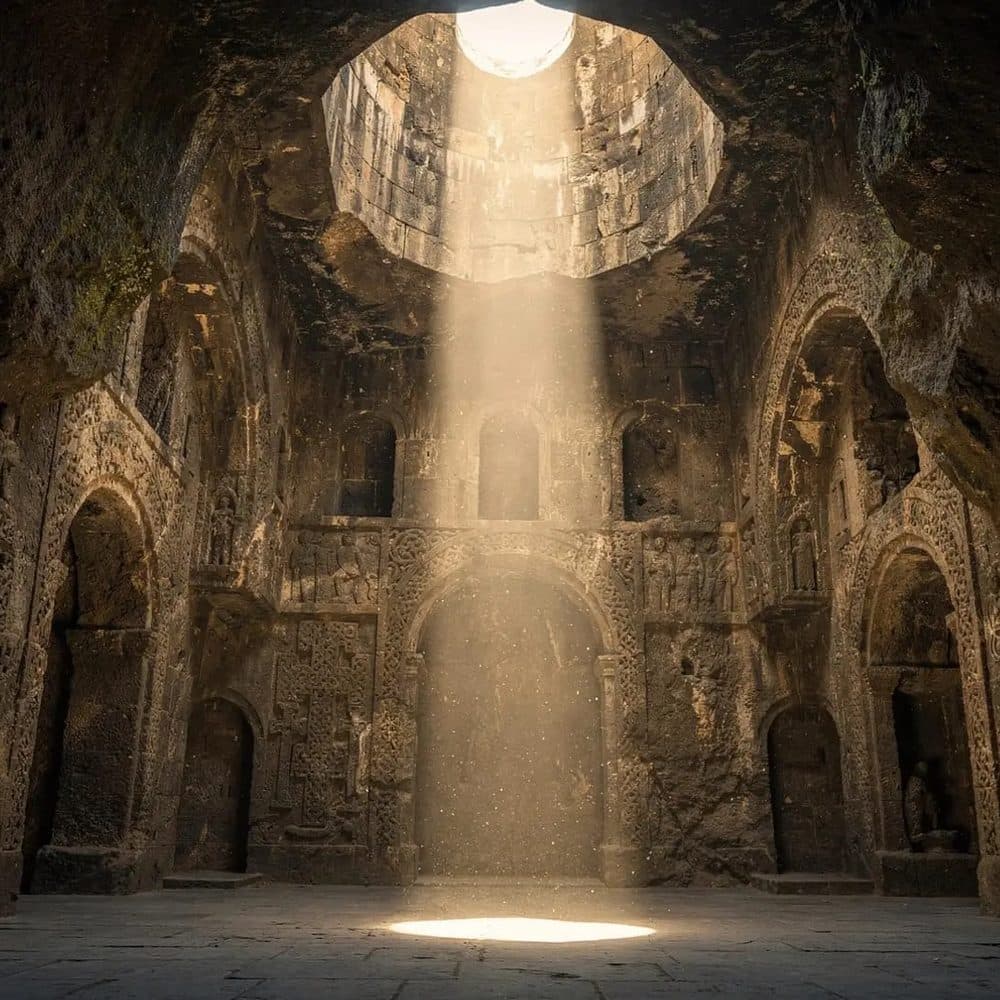
Geghard, carved into the rock
The tonir, in Bjni and in Rind
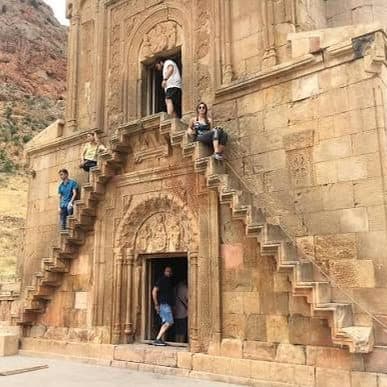
Noravank and Momik's stair
Tatev, on the cliff edge
What you will know how to do when you get back
- To work in very low light and without flash: the vigil is photographed with a fast lens, a tripod and high ISO accepted from the start.
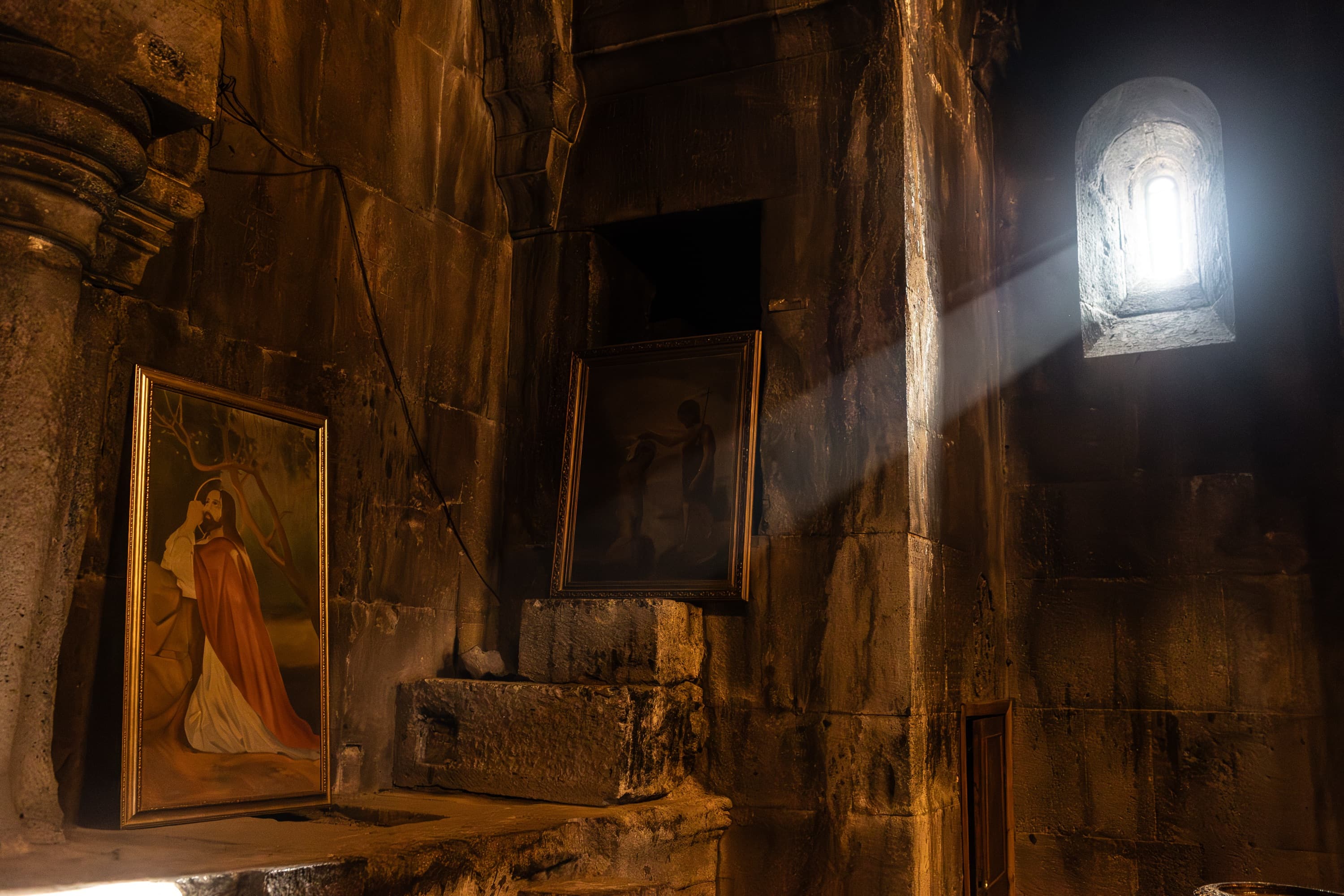
- To wait for hard light instead of chasing it. At Geghard we arrive at the hour when the skylights push shafts into the upper chamber.
- To walk into someone's home with a camera. First you eat and then you photograph, and that is the part you learn.
- To hold a whole week with three registers — heritage, craft and landscape — instead of three days of the same thing.
What we will do
Day by day
Yerevan · manuscripts, alleys and golden hour
The Matenadaran, the institute of illuminated manuscripts, which is the context for everything we will see afterwards. Kond, the old quarter: alleys, hanging laundry, neighbours. We start photographing people on day one. We climb the Cascade by the outside stairs, and Ararat appears behind if the sky cooperates.
Etchmiadzin and the Easter vigil
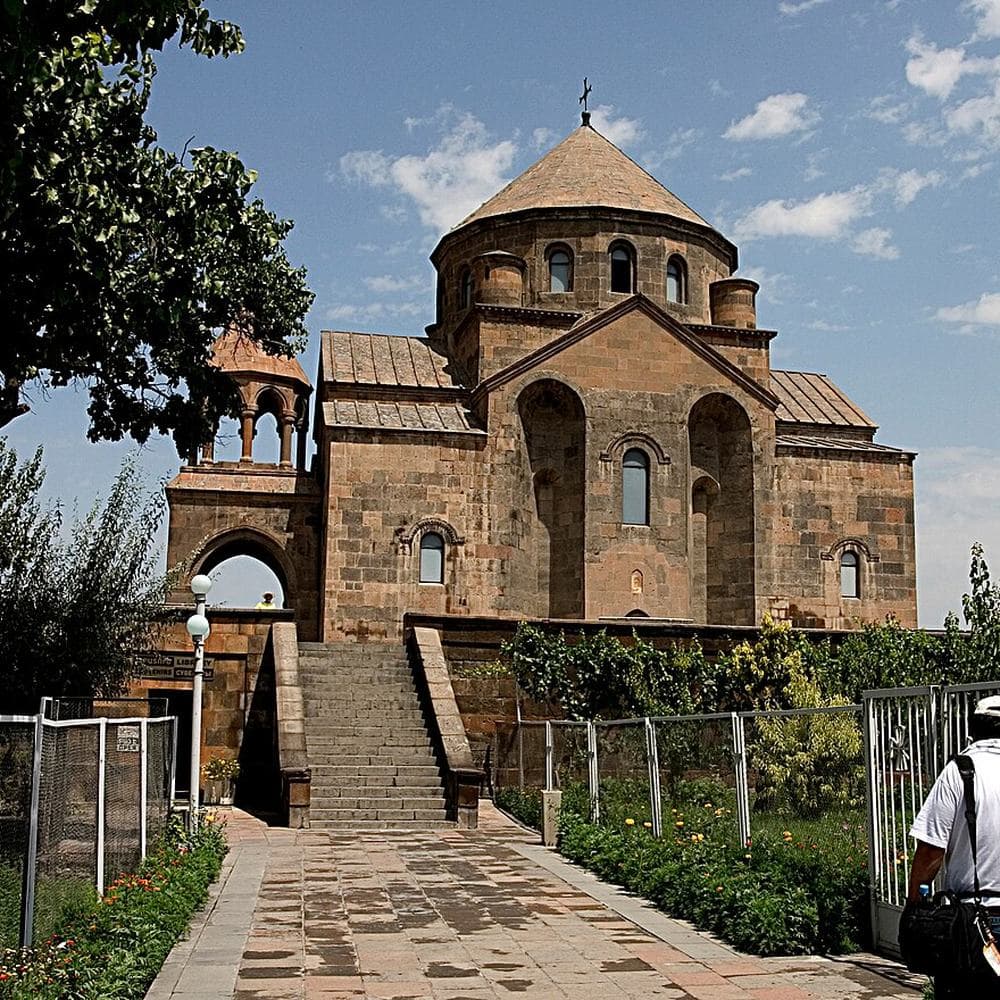
The Mother Cathedral of Etchmiadzin on Saturday, with the Easter preparations under way, which is exactly what matters. Saint Hripsime, seventh century, the cleanest floor plan in the country. The afternoon is left empty on purpose: we return at night for the vigil, and the lighting of candles at the end is the strongest moment of the week.
Easter at the table
The Easter Badarak at Etchmiadzin, and we arrive early, which is the difference between seeing the ceremony and seeing backs. Then the Easter meal in an Armenian family's home: the table set, dyed eggs, fish, rice with raisins. First you eat and then you photograph. We close with live duduk in a small venue.
Garni, Geghard and the tonir in Bjni
The temple of Garni, Greco-Roman and pagan, the only one in the country, and the descent into the Azat gorge past the Symphony of Stones. Geghard, carved inside the rock, at the hour when the skylights push shafts of light into the upper chamber. In the afternoon, lavash at Irina's house: fire, kneading, stretching and slapping against the oven wall, with the group inside.
Ararat, the women of Rind and Noravank
Khor Virap at dawn: Ararat is visible in the first hour, before the valley haze rises, and the apricot trees should be in bloom. In Rind, a group of village women bake lavash and sing while they work. Noravank in low sun, with the red-stone canyon alight and Momik's cantilevered stair.
Six thousand years of wine and the cliff monastery
The Areni 1 cave, the oldest known winery, and where the world's oldest leather shoe was also found. The Wings of Tatev cable car over the Vorotan canyon, and the ninth-century monastery on the cliff edge. We close in old Khndzoresk, a cave village with a suspension bridge.
The stone crosses and the lake
Noratus, the largest surviving khachkar cemetery: hundreds of stone crosses from the ninth century onward, every one different, folk sculpture more than temple. Sevanavank at the end, up the peninsula steps, with the lake empty of tourists and another blue in the water.
The Armenia nobody photographs
The Parajanov museum, collages and dolls by a man who made art while imprisoned. The Ararat brandy factory, with its barrels and its hands. The Soviet modernist route: the Rossiya complex, Barekamutyun station, mosaics and concrete. And Tsitsernakaberd to close, because after a week of carved stone the memorial orders the meaning of everything before it.
What it costs and how it is paid
Price and booking
The deposit is not set yet. Write to me and I will tell you the amount and the payment dates before you decide anything: you are not going to commit to a figure you have not seen.
Payment schedule
You book with the deposit and the payment schedule reaches your inbox as soon as you book.
Cancellation policy
What happens if you cancel depends on when, and I tell you with the amounts in writing before you book. Never behind a legal link. Ask me and I will tell you today.
Coming?
Leave me your details and I will write to you with the full itinerary, the booking and the payment schedule.
- 26 MAR to 2 APR 2027
- 8 days
A question before booking? I answer myself, at +1 (305) 676.2982.
WhatsApp